


Vitamin C in Skincare: What It Is and How to Use It


Vitamin C has become a go-to skincare ingredient for those seeking a bright, healthy-looking complexion. But if you’ve ever wondered what makes it so powerful, or how to use it correctly, you’re in the right place.
Let’s dive into the science behind vitamin C, including why it’s a skincare must-have and how to make the most of it in your routine.
THE BASICS
VITAMIN C (ASCORBIC ACID)WHAT IT IS: A vitamin with powerful antioxidant properties.
WHAT IT DOES: Topical vitamin C helps brighten skin, even tone, and defend against environmental damage.
WHO IT'S FOR: Suitable for all skin types and particularly beneficial for those with dull, uneven skin tone or visible signs of aging.
HOW TO USE IT: Apply a vitamin C serum or cream onto clean, dry skin morning or night.
GOES WELL WITH: Melatonin and vitamin E can enhance antioxidant effects, while hyaluronic acid helps with all-around hydration and glow.
DON’T MIX WITH: Exfoliating acids and retinoids may cause some discomfort when layered improperly. Opt for vitamin C in the morning and acids or retinoids at night.
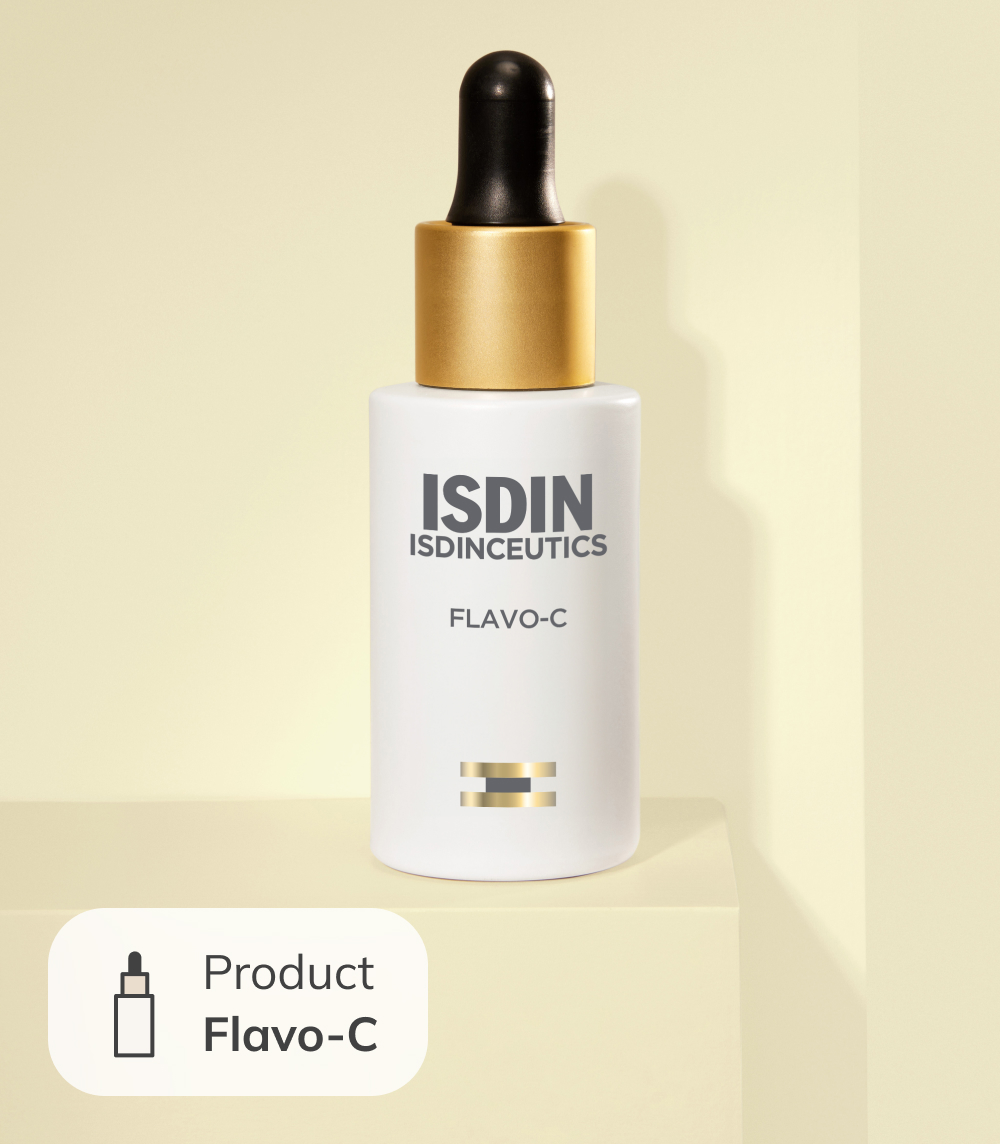
TRY IT IN: Flavo-C, Melatonik®
What is vitamin C?
Vitamin C is a potent antioxidant naturally found in fruits and vegetables that plays a vital role in skin health. In skincare, it supports the skin’s building blocks (such as collagen) and improves overall radiance.
Much like the term antioxidant suggests, it also fights against oxidative stress. How, exactly? When applied topically, vitamin C works to neutralize free radicals—unstable molecules brought on by UV rays, pollution, and other environmental factors that contribute to premature aging.
What can vitamin C do for my skin?
The benefits of vitamin C lend to its glowing reputation. It boasts three science-backed functions as a skincare ingredient: antioxidant defense, rejuvenation, and illumination.
Here’s what you can expect from this multitasker:
Reminder: While vitamin C provides some environmental defense, it doesn’t replace sunscreen. Remember to pair it with daily SPF.

Who should use vitamin C?
Vitamin C is a great addition to any skincare routine, especially if you’re looking to address dullness, uneven tone, or early signs of aging. It generally works for all skin types, although those with sensitive skin may want to pause other potent skincare products when getting started.
What other skincare ingredients can you use with vitamin C?
Vitamin C + hyaluronic acid
Vitamin C and hyaluronic acid make an ideal skincare duo. While vitamin C brightens and protects, hyaluronic acid provides deep hydration, helping to plump and smooth the skin. Together, they promote a bouncy, radiant look.
Vitamin C + melatonin
Antioxidants melatonin and vitamin C work together to help repair and protect the skin. Vitamin C brightens and defends against free radical damage, while melatonin supports nighttime skin regeneration. Using both can help optimize recovery for an overall glow.
Vitamin C + retinoids
Both ingredients offer powerful well-aging benefits. However, using them together may be too much, especially for sensitive skin. If you want to incorporate this dynamic duo into your routine, try using vitamin C in the morning and retinoids at night.
Mixtures to avoid
Vitamin C is an acidic ingredient, so mixing it with certain AHAs or BHAs can lead to irritation. It’s best to use exfoliating acids separately at night or on alternate days.
How to use vitamin C in your skincare routine, step by step:
Step 1: Use a gentle cleanser
A thorough cleanse leaves the skin ready for the rest of your products to get to work. Opt for foaming cleanser in the morning to help prep your skin for the day ahead, and an oil cleanser in the evening to melt away pollution and makeup. Work in a cleansing scrub as needed to help refine and illuminate.

Reminder: While vitamin C provides some environmental defense, it doesn’t replace sunscreen. Remember to pair it with daily SPF.
Step 2: Apply a targeted eye contour cream
The skin around the eyes is the thinnest on the face—meaning it’s one area that can use a bit of extra support. To best care for this delicate skin, opt for eye creams designed to meet the specific demands of the day.
Formulas with antioxidants like vitamin K oxide in the morning and melatonin in the evening offer round-the-clock defense.

3. Add in your vitamin C serum
With sink-into-skin textures and concentrated ingredients, serums are some of the hardest-working products in a routine. And that’s just why they’re the perfect format for vitamin C.
AM: After cleansing and applying eye cream, smooth a few drops of a concentrated vitamin C serum onto your skin. Our top pick? Flavo-C helps brighten the skin, improve elasticity, and protect against oxidative damage from the sun, pollution, and even stress.
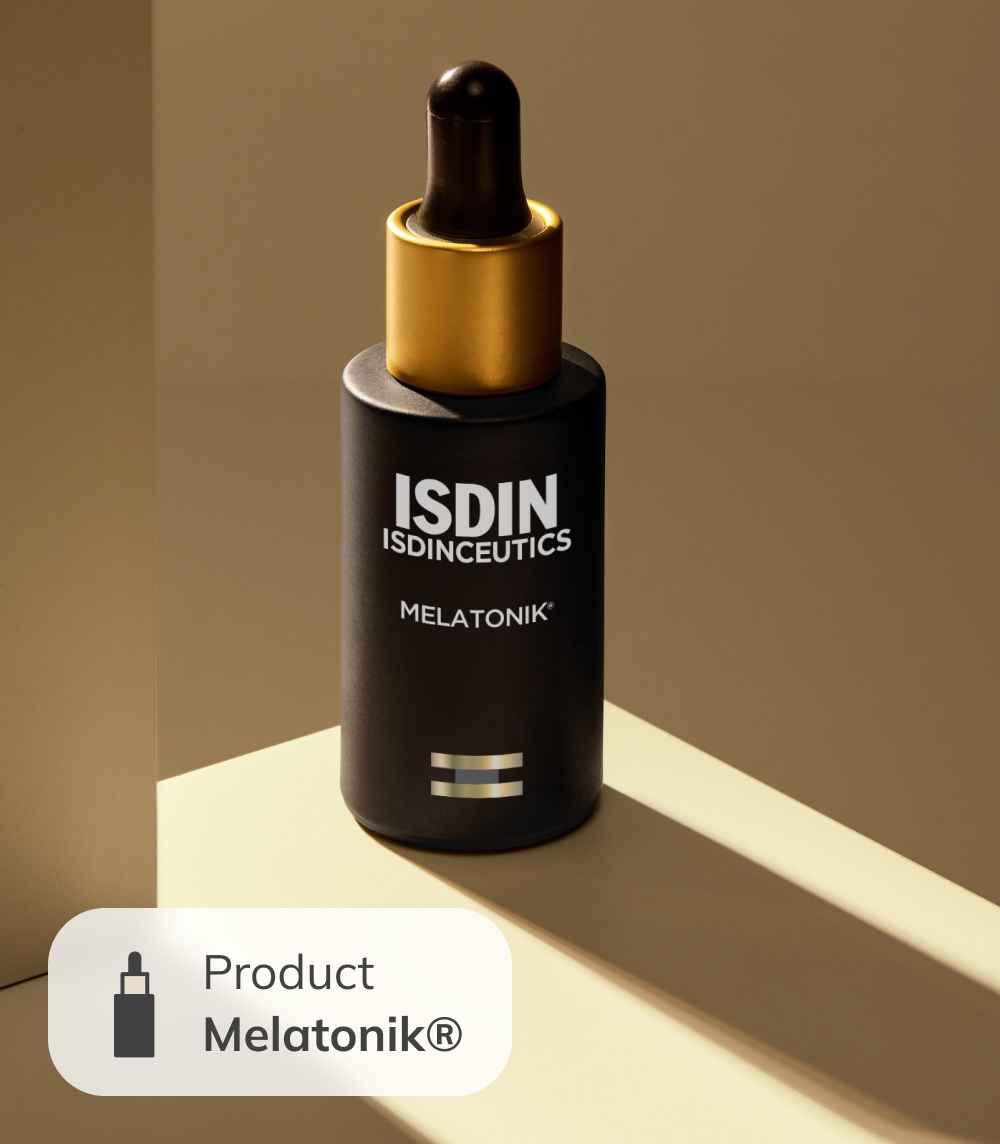
PM: In the evening, turn to a vitamin C recovery serum. Research shows that serums featuring a combination of vitamin C, melatonin, and bakuchiol can offer visible youth-boosting effects. You can find this powerful trio inside Melatonik®️.
4. Lock in moisture
To help maintain hydration and reinforce the skin barrier, follow your vitamin C serum with a hydrating moisturizer suited to your skin type. This step ensures lasting nourishment and comfort.

5. Finish with sunscreen
Whatever the weather, the final step of your morning skincare routine should always be high-SPF broad spectrum sunscreen. Layer it on after your moisturizer to help protect skin against the damaging effects of the sun. Then, do your best to reapply at least every two hours—it’s what dermatologists recommend.

Your questions answered
Is vitamin C safe for sensitive skin?
In general, vitamin C is well tolerated, but it could use some space from other potent ingredients such as retinal and or glycolic acid. Opt for vitamin C in the morning and retinoids or AHAs at night. Remember, your dermatologist knows your skin best—check in with them if you have any doubts.
Can I use vitamin C every day?
Sure! As long as your skin seems happy about it. Daily use of vitamin C in skincare can help boost brightness and defense, morning and night.
But how long does it take to see results? Some brightening benefits may be noticeable soon after starting. However, for tone-unifying and firming effects, consistent use over at least a few weeks is typically recommended.
Does vitamin C expire?
Yes. Look for an expiration date or PAO symbol (Period After Opening) on the back or bottom of your skincare container. If you’re within the specified timeframe, you’re off to a great start!
Here’s something else to keep in mind: many vitamin C formulas can be especially vulnerable to direct light and excessive heat. Opt for products in dark or opaque bottles and store them in a cool, dark place to help keep things fresh.
Get glowing

Vitamin C is a true skincare essential, helping to visibly brighten, revitalize, and support your skin every day. Incorporate it into your routine and pair it with SPF for a powerful defense against environmental stressors.
As for right now? Take this moment to appreciate your skin—love it, protect it, and give it the daily attention it deserves. After all, consistent care is the driving force behind a lit-from-within look.

Amy is a content strategist who turned a part-time obsession with skincare into a full-time passion. Her experience as a creative storyteller includes a range of lifestyle and technology topics across Washington D.C. and Barcelona. What’s in her travel bag? Eye contour cream and sunscreen, always.